
More Than a Meal: How Food and Drink Define the Heart and Future of a Destination
Why experiential food and drink culture is no longer just a holiday amenity, but the single most powerful driver of local identity, economic vitality, and place activation.
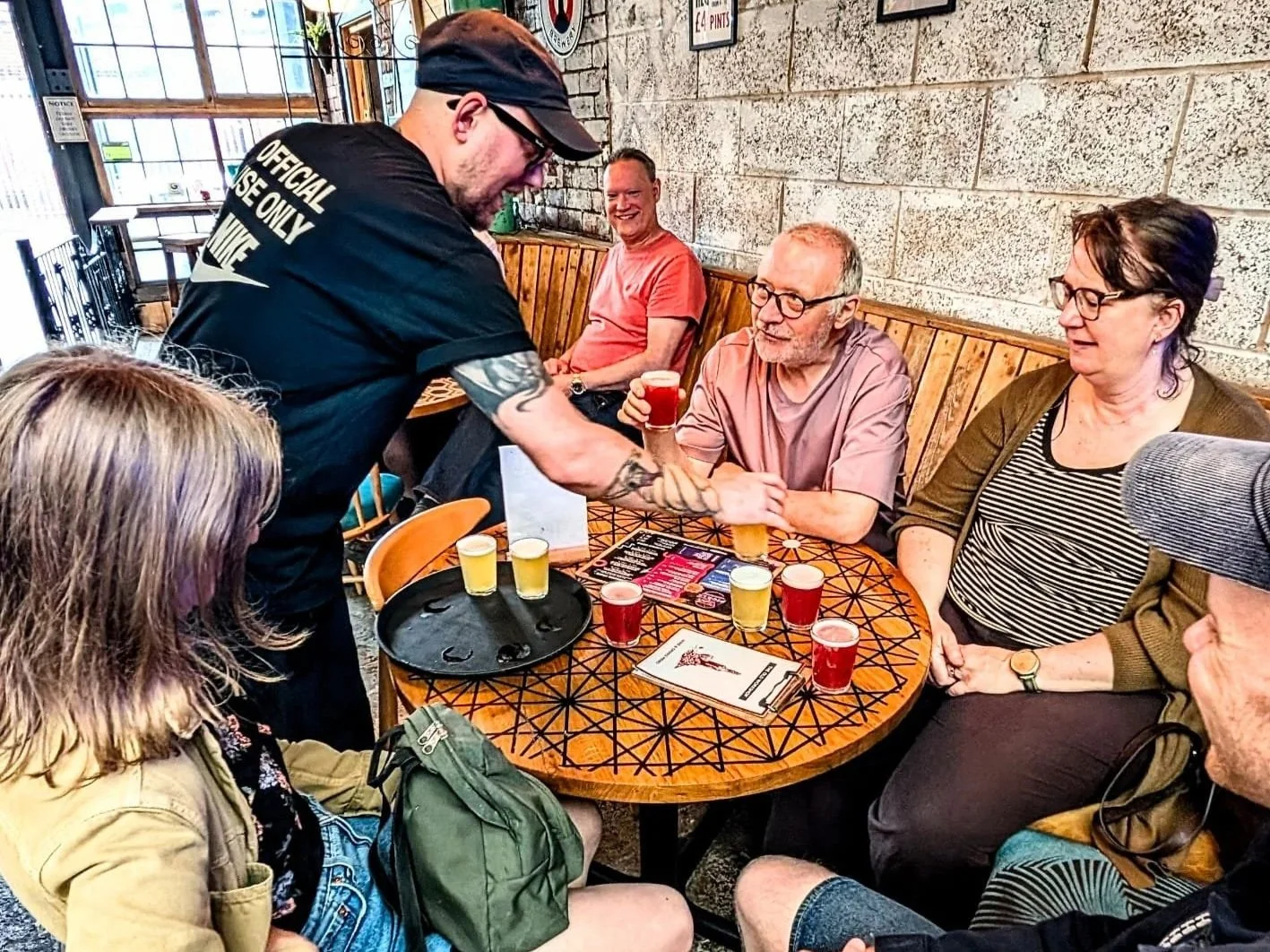
For the past seven years, I’ve been championing independent food culture and the simple magic of bringing people together over great food and drink through Sheffield Food Tours. I’ve always believed that eating shouldn’t be a passive chore—it’s about shared experiences, connecting with what’s on your plate, and understanding the stories behind the people who made it.
I love food most when it actually brings people together—a communal farm-to-table dinner, a great backstreet taproom, or knowing the farm that produced your morning milk. My day-to-day is spent hunting down hidden gems and working with independent venues to build curated food trails and experiences that go beyond a standard dinner reservation, giving people a genuine connection to what they're eating and where they are.
What I’m going to eat next is always sat there somewhere in the back of my mind, and the culinary offering of a destination is always top of mind for me.
Recently, on a trip to Wentworth Garden Centre, I was genuinely excited to see how thoughtfully their food and drink offering had been curated alongside an exceptional retail offering and an old walled garden to wander—all seamlessly tied together to create a genuinely memorable day out. It was no surprise to see the massive car park completely full. It’s proof of what happens when food, heritage, and place activation work in harmony.
Crafting a Taste of Place
I spend a lot of time thinking about how Sheffield—and destinations like it—can elevate themselves further as food and drink hubs. For me, placemaking and independent food culture go hand in hand. It’s all about creating places where people actually want to gather, eat, and stay a while.
Sheffield, for instance, has beer, brewing, industrial strength, and football deeply engrained in its fascinating heritage—yet much of this remains to be fully uncovered for all to see. Food and drink act as the glue that weaves these historic threads together into an authentic, living visitor experience.
I’ve recently been reading the heavyweight publication Crafting Your Taste of Place by Erik Wolf, Executive Director of the World Food Travel Association (WFTA). It’s a super-useful resource - even early on in this dense, insightful book, the underlying message is clear: food tourism is no longer a niche offshoot of hospitality; it is an economic and cultural engine.
According to the WFTA’s 2020 Food Travel Monitor, an incredible 93% of all travellers are so passionate about food and drink that they choose their next destination based on its culinary reputation. Furthermore, food and drink accounts for up to 25% of total travel budgets.
The WFTA defines food tourism as "the pursuit and enjoyment of unique and memorable food and drink experiences, both near and far." It forms the cornerstone of a destination’s visitor economy. Crucially, food and drink is the only activity that 100% of visitors will engage in—every traveler needs to eat three times a day, creating multiple daily touchpoints for a city or region to make a lasting impression.
The Economic Ripple Effect of Independent Food Culture
Becoming a true "culinary destination" requires far more than just having a few great restaurants scattered across a map. It demands a concerted effort to highlight, enhance, and connect unique food experiences that set a place apart—focusing on culinary culture, variety, experiential offerings, sustainability, and recognition.
The long-term rewards for destinations that commit to this strategy are substantial:
Greater Economic Impact: Money spent at locally owned, independent hospitality venues recirculates 2 to 4 times more revenue within the local community compared to spending at multinational chains.
Targeted Footfall & Regeneration: Curated food experiences pull visitors into specific, underutilised areas, driving footfall and breathing life into local high streets and industrial quarters.
Community Pride & Identity: A rich culinary identity fosters a genuine sense of local pride and heritage preservation among residents.
Sheffield Has It All: The Opportunity Sitting on Our Doorstep
When people think of Sheffield, they rightly picture our rich industrial heritage, world-class outdoor access, legendary football, and unbeatable brewing culture. That grit, creativity, and maker spirit are in the city's DNA. But when you look through the lens of modern food tourism, there is an extraordinary opportunity to join these dots even further and showcase Sheffield as the premier culinary destination it already is.
The truth is, Sheffield has built an exceptional, world-class food and drink ecosystem:
Global Street Food & Food Halls: Vibrant, independent hubs like Peddler Market, Sheffield Plate, and Cambridge Street Collective that bring together communal dining and international street food talent.
Michelin-Starred & Fine Dining: High-end, innovative dining led by homegrown powerhouses like JÖRO and Rafters.
World of Flavours on Our Streets: From the international culinary strip of London Road and Abbeydale Road to tucked-away restaurants on Sharrow Vale, the city’s international food scene is genuinely eclectic:
East & Southeast Asian: Fiery Szechuan plates, freshly rolled sushi, authentic Vietnamese pho, and rich Malaysian street food.
Middle Eastern & North African: Fragrant Levantine mezze, freshly baked flatbreads, crispy falafel, and slow-cooked tagines.
South Asian: Traditional regional Indian thalis, Pakistani street eats, and vibrant Sri Lankan curries.
Latin American & Caribbean: Vibrant Cuban tapas, fiery Mexican tacos, and jerk chicken served up alongside lively music.
Mediterranean & European: Regional Italian trattorias, authentic Sardinian dining, Greek souvlaki, and wood-fired Neapolitan pizzerias.
Craft Producers & Artisans: A passionate community of makers putting Sheffield on the gastronomic map, to name a few:
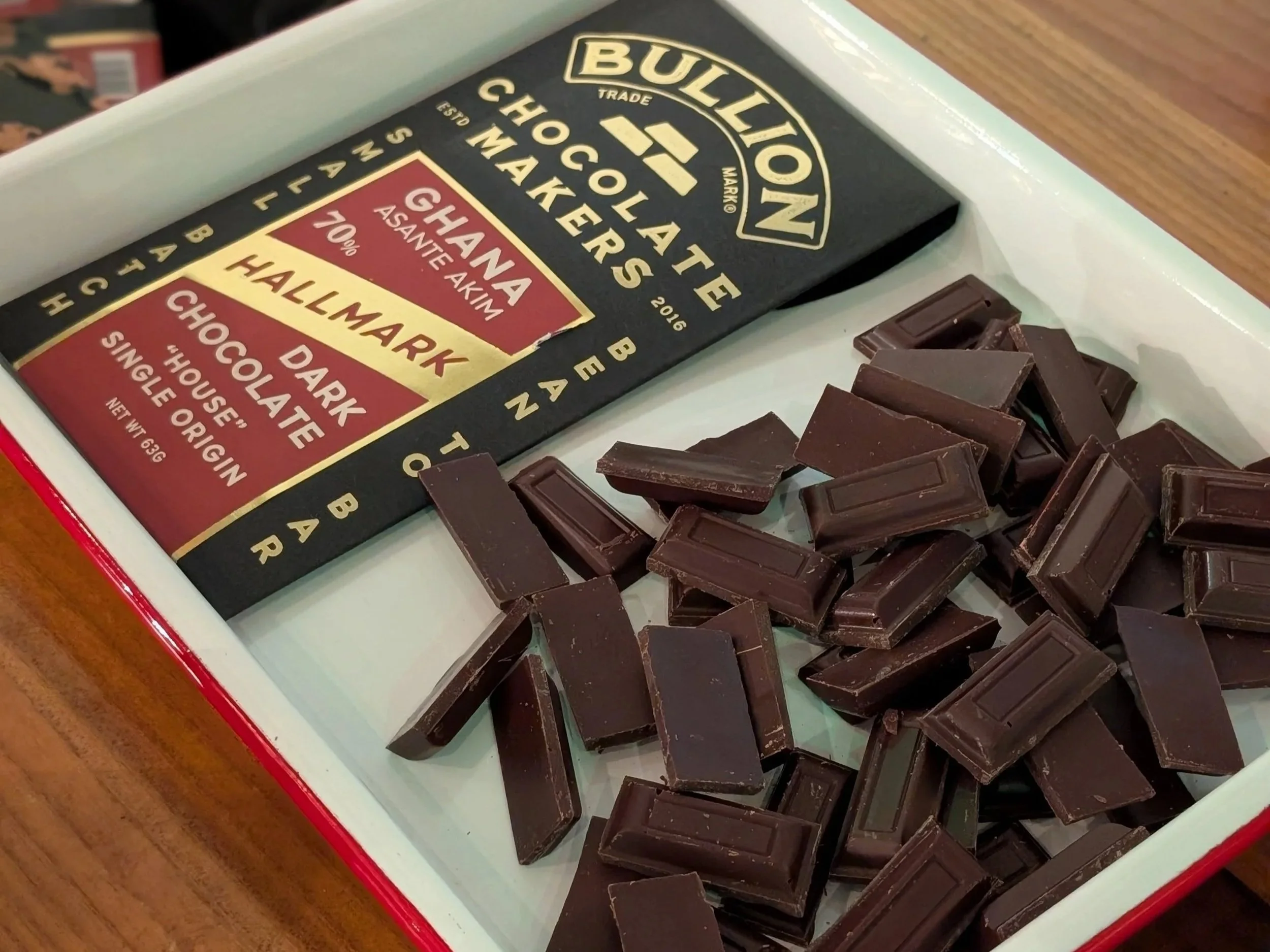
Bullion Craft Chocolate: Bean-to-bar craft chocolate makers refining ethical single-origin cacao in small batches.
Locksley Distilling: Crafting premium small-batch spirits like Sir Robin of Locksley Gin in historic industrial surroundings.
Our Cow Molly: Super-fresh local dairy farmed right on the edge of the city in Dungworth, supplying local cafes, ice cream parlours, and doorsteps.
Moss Valley Fine Meats: Award-winning, heritage-reared pork, bacon, and sausages produced just on the city’s green fringe.
Just Preserves: Handcrafted, small-batch chutneys, jams, and preserves made locally to complement Yorkshire cheeses and artisan bakes.
The Peak District Doorstep: A unique city-to-countryside link where regional forage, farm-fresh produce, and upland heritage directly supply city-centre kitchens and markets.
Bakeries & Speciality Coffee Roasters: A thriving network of artisan coffee roasters like Frazer’s and independent bakeries like Depot.
Historic Pubs & Real Ale Capital: An unrivalled pub culture and brewing heritage backed by over 58 regional breweries and a worldwide reputation for real ale.
Curated Experiences: Guided food and drink tours, chocolate factory tours and gin making workshops, wine, whisky, beer and cocktail festivals, brewery tours, and producer collaborations that connect visitors directly to the makers.
Food and drink is the natural thread that weaves all of this together. It turns our industrial history into an authentic, living experience that keeps visitors coming back for more.
A Big Vision for Sheffield’s Industrial Spaces
Activating Space: The Cannon Brewery Opportunity
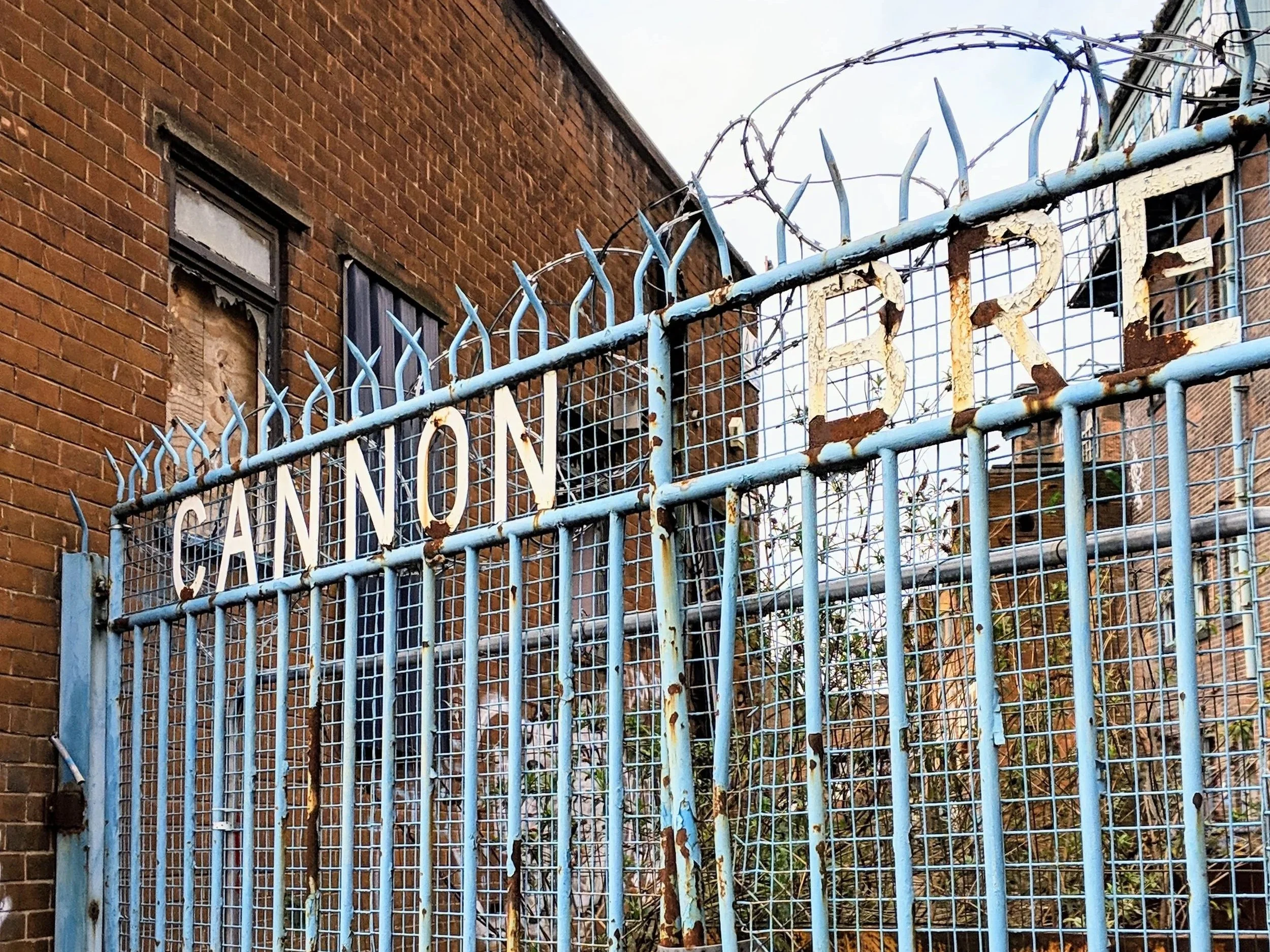
To truly lead the way in food and drink tourism, we need to think boldly about how we activate our historic spaces. An idea I keep coming back to is the potential sitting right in front of us at the old Cannon Brewery site in Neepsend as it undergoes redevelopment.
Imagine creating a dedicated Beer & Brewing Museum right in the heart of that mixed-use space. Sheffield’s industrial grit and its brewing heritage went hand in hand—steelworkers and craftsmen fueled by local ale at the end of a shift. Add in the fact that Sheffield is the home of the world’s first football club and the birthplace of the modern rules of the game, and you have a narrative triad that no other city on earth can match.
Weaving brewing, industrial history, and football origins together into an interactive, tasting-led museum experience would honour the city’s past and create a major national anchor attraction capable of driving massive visitor numbers directly into Sheffield.
Let's Chat About Food Tourism & Space Activation
If you are looking to shape a destination strategy, curate unforgettable food and drink experiences, or unlock the potential of a venue or urban space through hospitality placemaking, I'd love to connect.